




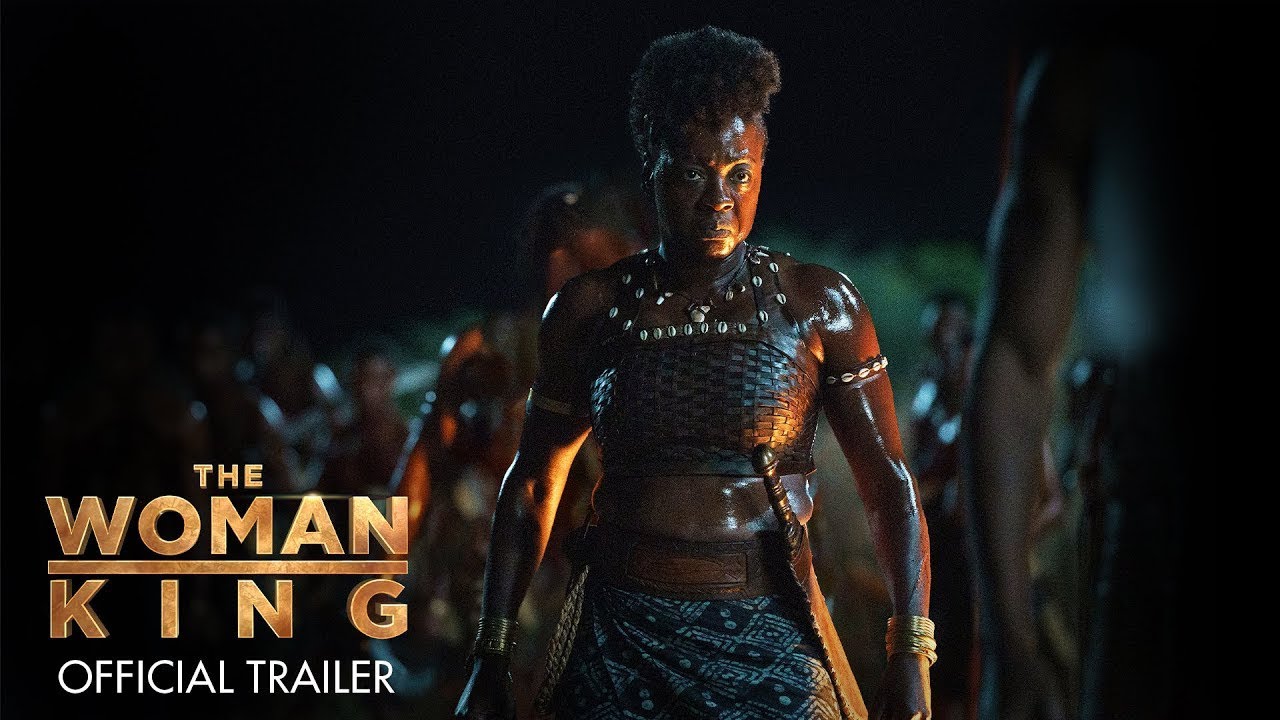
An Epic Rooted in History and Emotion
There are historical films that recite facts, and then there are films that breathe life into the past. The Woman King belongs firmly in the latter category. Directed with muscular confidence and anchored by a towering performance from Viola Davis, the film revisits the story of the Agojie, the all-female warrior unit that protected the African kingdom of Dahomey. This is not merely a tale of battles won and lost, but a meditation on power, sacrifice, and what it means to protect a people at any cost.

Viola Davis at the Height of Her Powers
Viola Davis portrays General Nanisca with a ferocity that feels earned rather than performed. Her presence is commanding, yet the film wisely allows moments of vulnerability to surface. Nanisca is not mythologized as an invincible warrior; she is a woman shaped by trauma, loyalty, and an unyielding sense of duty. Davis brings a physicality to the role that is rare and deeply convincing, while her quiet scenes carry the emotional weight that gives the film its soul.

Thuso Mbedu as the Audience’s Way In
As Nawi, a young recruit to the Agojie, Thuso Mbedu serves as the audience’s entry point into this demanding world. Her performance captures both youthful defiance and gradual transformation. Through Nawi’s eyes, we witness the rigorous training, the unspoken bonds between warriors, and the moral complexities of serving a kingdom entangled in regional conflict and the slave trade.

Action That Serves Character, Not Spectacle
The battle sequences in The Woman King are intense and often brutal, but they are never empty spectacle. Each clash feels motivated by character and consequence. The choreography emphasizes strength, discipline, and unity rather than flashy excess. Blood is spilled, but it is never glorified. Violence here has weight, and that weight lingers.
Visual Storytelling and Cultural Detail
The film’s production design and costuming deserve special praise. From ceremonial armor to everyday village life, the visual details feel lived-in and respectful. The camera often lingers on faces, rituals, and moments of silence, allowing the culture being portrayed to speak for itself rather than being reduced to background texture.
Music That Underscores Identity
The score supports the narrative without overpowering it, blending traditional influences with a modern cinematic sweep. Music is used sparingly in key moments, enhancing emotional beats rather than dictating them.
Themes That Refuse Easy Answers
What elevates The Woman King beyond a conventional historical epic is its willingness to engage with moral ambiguity. The film does not shy away from uncomfortable truths about complicity, survival, and leadership. It asks difficult questions about freedom and responsibility, and it trusts the audience to sit with those questions rather than offering simple resolutions.
Final Verdict
The Woman King is a powerful, emotionally resonant film that combines rousing action with thoughtful storytelling. Anchored by a career-defining performance from Viola Davis, it stands as both an entertaining epic and a meaningful reflection on history and identity. This is a film that lingers after the final frame, reminding us that courage often comes with a heavy price.
Why This Film Is Worth Watching
- A commanding lead performance from Viola Davis
- Well-crafted action grounded in character and consequence
- Rich cultural detail and strong visual design
- Thematic depth that challenges and engages