





Introduction
In the realm of psychological horror, Bed Rest (2023) stands as an unsettling meditation on grief, motherhood, and the fragile boundary between reality and madness. Directed with an eye for atmosphere and anchored by Melissa Barrera’s committed performance, the film immerses us in a chilling tale where the ordinary quickly becomes nightmarish.
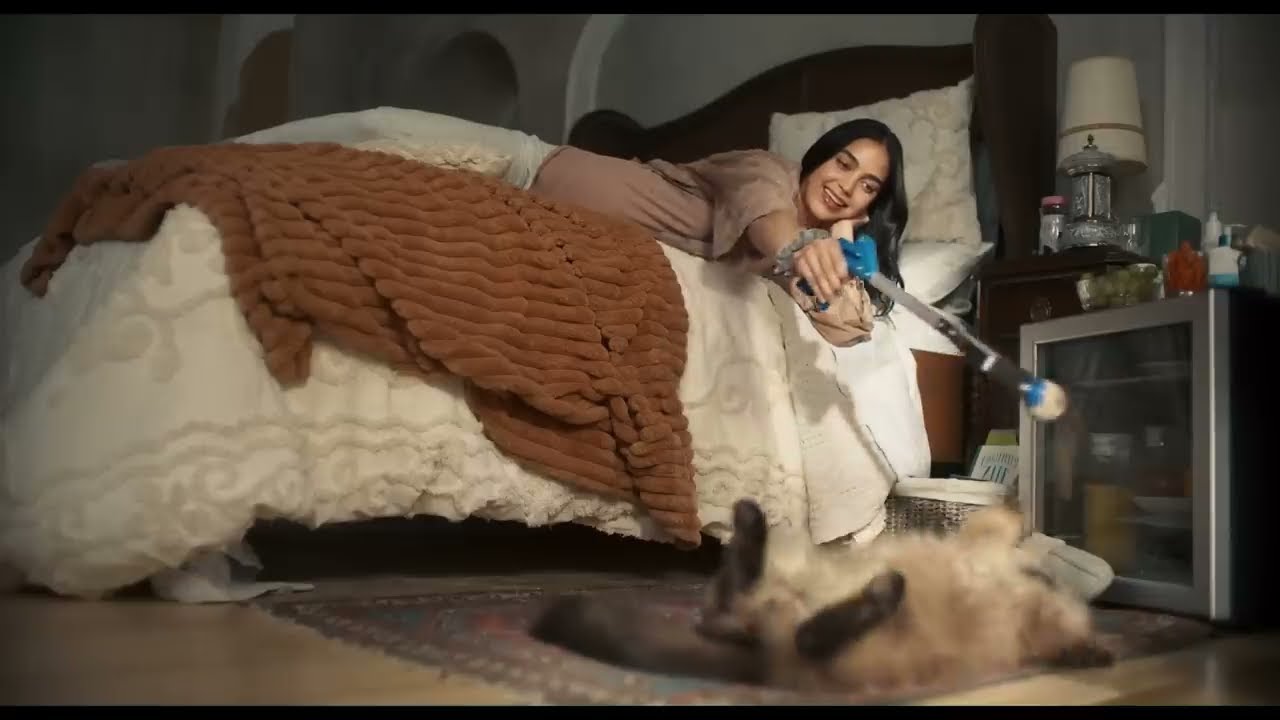
Plot Overview
Julie Rivers (Melissa Barrera), a woman haunted by past trauma, seeks a fresh start with her husband Daniel (Guy Burnet). Their move into an old, creaking house should mark a hopeful chapter as they prepare to welcome their child. Yet, complications in Julie’s pregnancy confine her to strict bed rest, trapping her within the oppressive walls of their new home.

As days stretch into claustrophobic monotony, the house itself seems to awaken. Julie begins to hear whispers through the walls, sees fleeting shadows in the periphery, and encounters ghostly visions that unsettle her already delicate mind. What begins as stress-induced anxiety spirals into a question of survival: is Julie losing her grip on reality, or is the house itself a vessel of darker forces?

Performances
Melissa Barrera carries the film with a nuanced portrayal that captures both vulnerability and resilience. Her physical stillness—mandated by the narrative’s bed rest premise—contrasts sharply with the storm of emotions she conveys through subtle expressions and haunted eyes. Guy Burnet, as her husband, plays the well-meaning partner whose rational skepticism deepens Julie’s isolation rather than alleviates it.
Direction and Cinematography
The cinematography leans heavily into atmospheric dread. Tight framing accentuates Julie’s confinement, while dim lighting and long silences amplify every creak and whisper. The director crafts a suffocating environment, turning the home into both sanctuary and prison. The use of shadows, lingering shots of empty hallways, and a minimalist score contribute to a mounting sense of unease.
Themes and Symbolism
- Motherhood and Vulnerability: Julie’s bed rest is both a medical precaution and a metaphor for the powerlessness many women feel during pregnancy.
- Grief and Trauma: The supernatural may be real, but it is equally plausible that the manifestations are projections of unresolved pain.
- Isolation as Horror: The lack of agency, the absence of control, and the enforced stillness transform ordinary domestic space into psychological hell.
Strengths and Weaknesses
What Works
- Melissa Barrera’s haunting lead performance.
- Claustrophobic atmosphere that sustains dread throughout.
- A score that underscores rather than overwhelms the horror.
What Falls Short
- Some narrative beats feel predictable for seasoned horror fans.
- The reliance on familiar haunted house tropes occasionally undermines originality.
Conclusion
Bed Rest (2023) is less about jump scares and more about psychological erosion. It succeeds in drawing the viewer into Julie’s disintegrating perception of reality, delivering a chilling experience that lingers well after the credits roll. While it may not break new ground in horror, its emotional depth and atmospheric execution ensure it resonates beyond its genre trappings.
Verdict: A haunting, slow-burn psychological horror that thrives on atmosphere and emotion, anchored by a standout performance from Melissa Barrera.