



Introduction
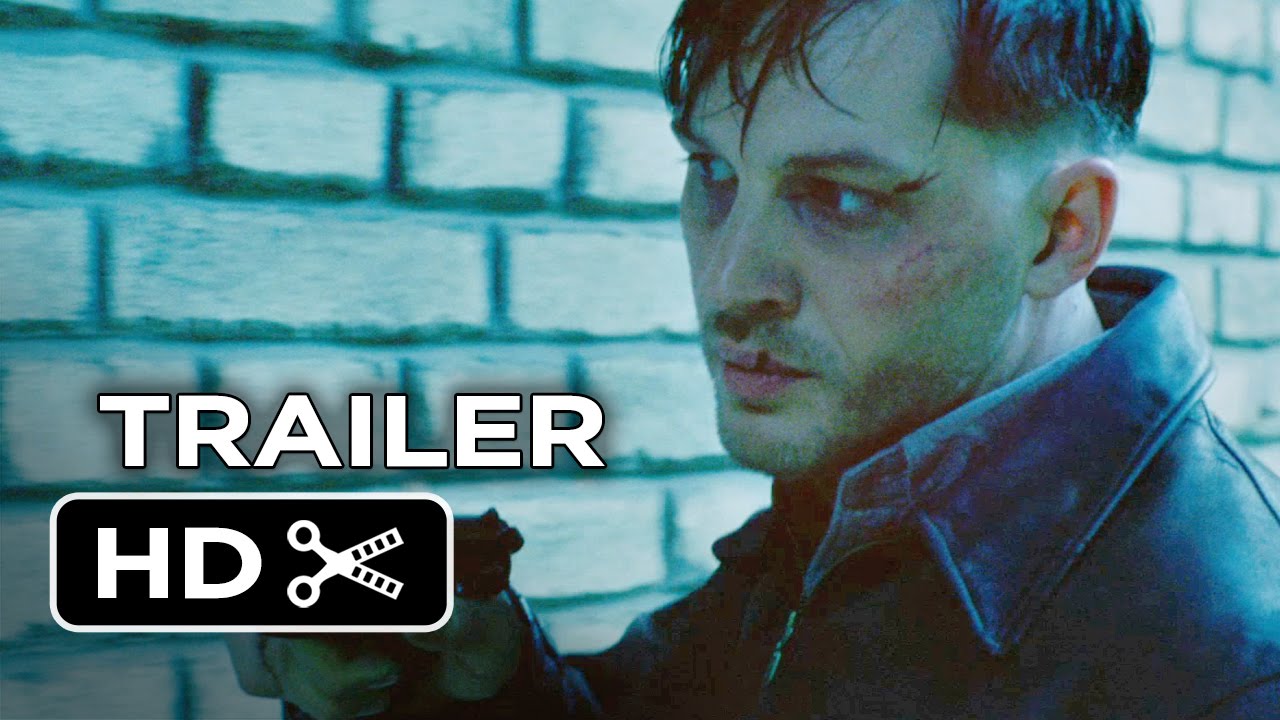
In 2015, director Daniel Espinosa brought to life Child 44, a political thriller set against the grim backdrop of Stalinist Soviet Russia. Adapted from Tom Rob Smith’s novel, this film explores the devastating clash between personal morality and the totalitarian state’s ruthless ideology. With a star-studded cast led by Tom Hardy, Noomi Rapace, and Gary Oldman, the movie delves deep into the haunting consequences of living under a regime where truth is buried and fear reigns supreme.

The Story and Setting
Child 44 follows Leo Demidov (Tom Hardy), a once-proud MGB agent who finds himself ostracized and hunted after uncovering a series of child murders in a society where murder is a crime no one dares to acknowledge. In Stalin’s Russia, where the state denies the existence of crime, Leo’s pursuit of justice puts him on a treacherous path filled with paranoia and moral decay. Espinosa effectively captures the suffocating atmosphere of the era through stark visuals—muted grays, snow-drenched landscapes, and oppressive interiors—that reflect the bleakness of Leo’s mission.

Performance and Character Development
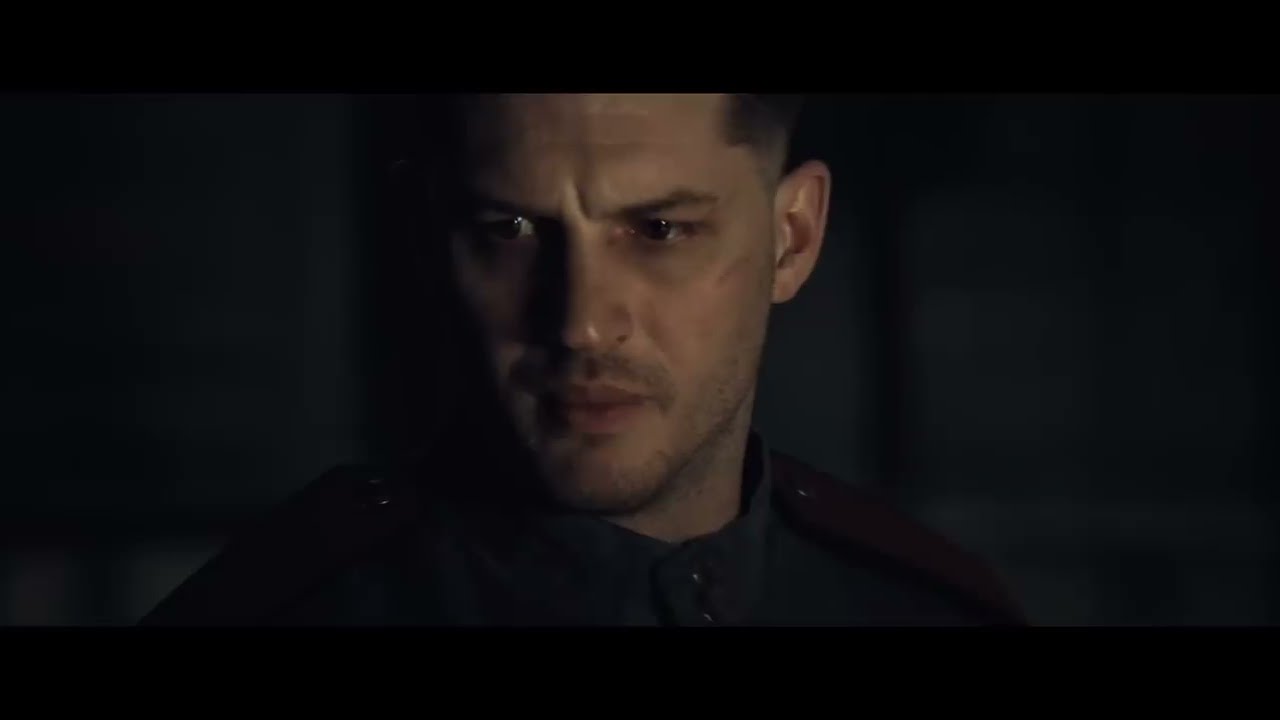
The film’s heart lies in Hardy’s portrayal of Leo Demidov. As the disillusioned agent caught between his duty and his moral compass, Hardy brings depth and complexity to a character whose internal struggles speak louder than any of the film’s external conflicts. His brooding, often silent performance offers a haunting glimpse into the isolation and psychological turmoil of a man torn between survival and truth.
Noomi Rapace, as Leo’s wife Raissa, delivers a performance full of quiet strength. While her role is less central than Hardy’s, Rapace plays an essential part in depicting the resilience and loyalty of individuals in such a repressive society. Her chemistry with Hardy adds an emotional layer to the otherwise cold narrative.
The Political and Social Commentary
At its core, Child 44 is a powerful exploration of a system where loyalty to the state trumps the pursuit of justice, and truth is an enemy of the regime. Espinosa doesn’t shy away from illustrating the moral rot within the Soviet bureaucracy, where human lives are sacrificed for the sake of political expediency. The film highlights the dehumanizing effects of totalitarian rule, where the individual is crushed under the weight of a relentless, all-knowing state.
The chilling statement “There is no murder in paradise” encapsulates the essence of the government’s denial of any wrongdoings. The state’s refusal to acknowledge murder or crime becomes a metaphor for the widespread suppression of truth—a theme that resonates deeply within the context of both the film’s setting and modern authoritarian regimes.
Visual and Cinematic Approach
The visual tone of Child 44 is an essential part of its storytelling. The film’s cinematography, led by Olivier Assayas, relies on cold, muted color palettes—washed-out grays and whites—that mirror the bleak emotional landscape of its characters. Snow-covered rail yards and dimly lit rooms imbue the film with an air of dread, highlighting the oppressive atmosphere under which these characters live and die. The use of shadows and confined spaces amplifies the feeling of paranoia that permeates the narrative, making every whispered conversation and every glance exchanged between characters seem fraught with danger.
Conclusion
Child 44 is a slow-burn thriller that, while not without its pacing issues, succeeds in capturing the moral complexity and human cost of living under a totalitarian regime. Its exploration of truth, loyalty, and justice in a society built on lies is as relevant today as it was during the Stalinist era. With standout performances from Tom Hardy and Noomi Rapace, the film’s psychological intensity lingers long after the credits roll. While the film’s dark tone and deliberate pacing might not appeal to everyone, for those who appreciate films that probe the human condition in the face of political oppression, Child 44 is a haunting and worthwhile watch.