




Introduction
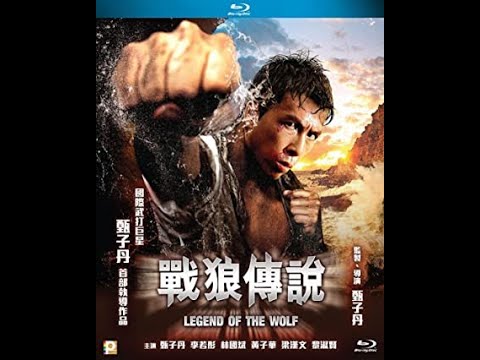
In the world of martial arts cinema, few films have managed to balance the raw intensity of combat with the complexity of human emotion. Donnie Yen’s 1997 directorial debut, Legend of the Wolf, is one such film. With a blend of stunning fight choreography, a haunting atmosphere, and a tragic love story, it offers a nuanced take on the wuxia genre.

The Plot
At its core, Legend of the Wolf tells the story of a wandering warrior known simply as “Wolf.” His past, a murky blend of violence and betrayal, has turned him into a living legend. The plot follows a young man on a quest to uncover the truth about Wolf’s dark and mysterious history. The journey is fraught with moments of self-discovery, bloody vengeance, and a bittersweet love story that anchors the narrative.

Key Themes
- Love and Betrayal: The central romantic storyline between Wolf and Yee (Carman Lee) is as tragic as it is poignant. Their love is marred by circumstances beyond their control, and their brief, star-crossed romance becomes one of the film’s emotional pillars.
- Vengeance and Redemption: At the heart of the film is a warrior’s struggle with his violent past, making vengeance not just a personal mission but a philosophical exploration of redemption.
- The Nature of Myth: As much as it is a tale of action, the film leans heavily into the mythic, almost supernatural qualities of its central figure, Wolf. His story is larger than life, yet rooted in human fallibility.
Donnie Yen’s Directorial Debut
Donnie Yen is known for his exceptional martial arts talent, but with Legend of the Wolf, he proved himself a force behind the camera as well. The film offers a bold, unconventional approach to the wuxia genre, focusing as much on introspective storytelling as it does on the fight scenes that have made Yen a global icon. This movie, while not as polished as his later works, showcases his early creative ambition and understanding of cinema as an art form.

Stylish Martial Arts Action
As expected from a Donnie Yen film, the martial arts choreography in Legend of the Wolf is fluid and intense. What sets this film apart is how it blends different styles, from swordplay to barehanded combat, with a distinct rhythm and elegance. These fights are not just action set pieces but are deeply connected to the film’s emotional currents, with each battle reflecting the inner turmoil of the characters involved.
Atmosphere and Cinematography
The film’s mood is nothing short of mesmerizing. Dreamlike flashbacks and shadowy visuals immerse the audience in a world that feels both timeless and dreamlike. The cinematography, combined with the haunting score, enhances the mythic quality of the film, allowing it to transcend its genre and become a visually poetic experience.
Conclusion
Legend of the Wolf may not have achieved the mainstream success it deserved, but it remains a cherished gem for fans of martial arts cinema. With a unique blend of action, romance, and introspection, Donnie Yen’s directorial debut stands as a testament to his creative vision and commitment to storytelling. Its mix of lyricism and violence, coupled with unforgettable fight choreography, makes it an essential watch for anyone who appreciates the genre.
Rating
Rating: 6.3/10 – An underrated wuxia masterpiece, full of raw emotion, breathtaking action, and Donnie Yen’s early creative ambition.