




The Zone of Interest (2023) – A Film that Speaks Volumes in Silence
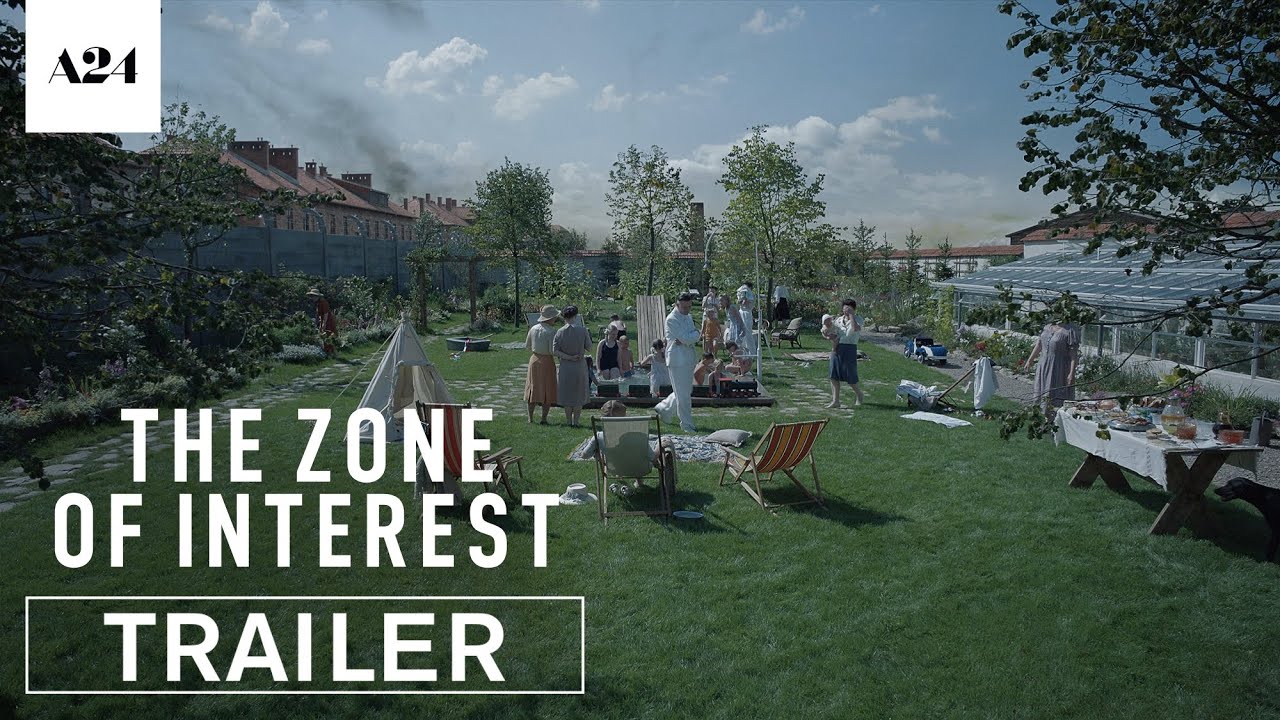
In a year filled with noteworthy cinematic achievements, The Zone of Interest, directed by Jonathan Glazer, stands out as a haunting and profound exploration of human detachment in the face of unimaginable atrocity. With a subtle yet powerful narrative, this war drama paints a chilling portrait of life near one of the darkest places in human history, Auschwitz. The film delves into the quiet, often disturbing, lives of a Nazi officer and his family, who live their daily existence seemingly untouched by the horrors unfolding just beyond their doorstep.

A Cinematic Masterpiece of Restraint
What makes The Zone of Interest truly exceptional is its restraint. Glazer, renowned for his unflinching ability to evoke emotion through minimalism, delivers a film that is far more than a historical account; it is a psychological journey that forces us to confront the banality of evil. Through the lens of a mundane family dynamic, the film asks us to grapple with the silence of complicity in the face of unspeakable crimes.

The Unsettling Atmosphere
The film’s cinematography plays a crucial role in creating an atmosphere that is as oppressive as it is immersive. The camera lingers on moments of quiet domesticity, where the normality of life clashes with the knowledge of the atrocities happening in the background. The focus on the small details — a child playing, the sound of footsteps — gradually builds a sense of unease, making the viewer acutely aware of the tension that lies just beneath the surface.

The Power of Minimalistic Dialogue
Dialogue in The Zone of Interest is sparse, yet every word feels deliberate. This minimalism serves to highlight the emptiness of the characters’ lives, their inability to connect with the magnitude of what is happening around them. It is not what is said that resonates most, but what is left unsaid. In this silence, the film’s true power is felt — a power that transcends verbal communication and reaches straight to the heart of human nature and complicity.
Sound Design: A Haunting Addition
Complementing the sparse dialogue and haunting imagery is a uniquely crafted sound design. The use of sound in The Zone of Interest is not overt or overwhelming, but rather a quiet presence that enhances the sense of isolation and disquiet. From the subtle creaks of an old house to the distant echoes of the atrocities being carried out, the soundscape adds an additional layer of discomfort, enveloping the viewer in a world that feels both eerily calm and disturbingly alien.
The Banality of Evil: A Stark Reflection
At its core, The Zone of Interest is a film about the banality of evil — how ordinary people, in ordinary circumstances, can become complicit in the horrors of history without even realizing it. The film does not rely on overt violence or graphic imagery to make its point. Instead, it shows us the quiet horror of people living their lives in close proximity to unspeakable acts, suggesting that evil, in its most insidious form, can be banal, hidden in plain sight, and often overlooked.
Conclusion: A Lingering Experience
As the credits roll, The Zone of Interest leaves a lingering impact. It is a film that stays with you long after the final scene, haunting your thoughts with its subtle yet powerful examination of human nature. With impeccable direction, minimalistic storytelling, and an atmosphere that is as unnerving as it is beautiful, Glazer has crafted a masterpiece that forces us to confront uncomfortable truths about our own complicity in the world’s atrocities.
Rating
- IMDb Rating: 8.6/10
- Director: Jonathan Glazer
- Genre: Drama, War